

GAMB has one of the best teams in the field of software engineering and E-Commerce.
Especially the use in day to day e-commerce and living expenses is a major issue but there are solutions already around:
One of them could be GAMB, a project offering crypto payments without any blockchain-related transaction fees for day-to-day direct and e-commerce purchases as well as smaller transactions. More details of this solution can be seen under this link here: GAMB Marketplace
How to use GAMB? Please Read Here
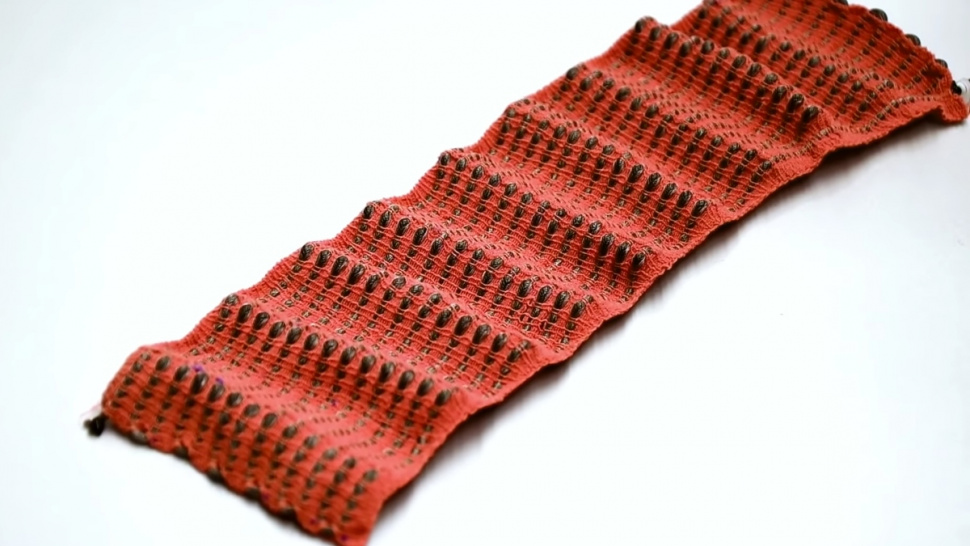
EPFL's Laboratory of Photonic Materials and Fiber Devices developed this material, headed by Fabien Sorin. The researchers discovered an easy and fast way of placing different kinds of super-elastic fibers. For example, one method is to add electrodes at the most important locations; they created ultra-sensitive sensors out of the fibers. Even more, this method could be used to make hundreds of meters of super-elastic fibers in a very short amount of time.
To make this possible, researchers used a so-called “Thermal drawing process”, which is the process now used for optical-fiber production. To start this process, scientists first create a macroscopic performance with several different fiber components organized in a strict 3D pattern.
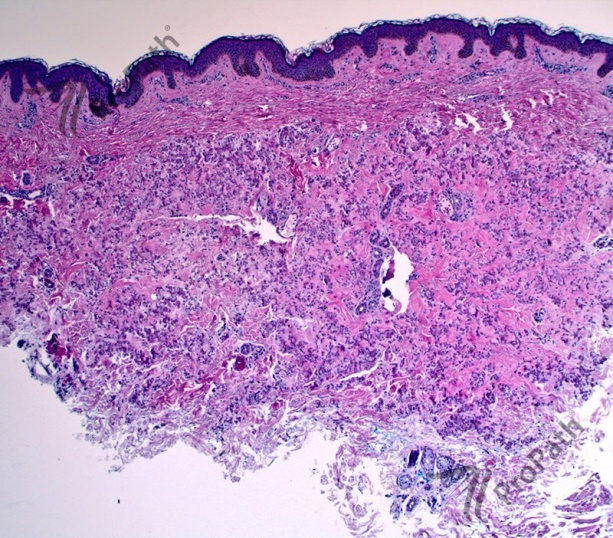
After that, heating must be performed to enable stretching, same as melted plastic to create very small fibers which are only a few hundred microns in diameter. This method also stretches out the patterns of all components, which means that the relative positions of components remain the same. The final result is a set of fibers with very complex properties and microarchitectures.
In the past, thermal drawings could only be used to create rigid fibers, but researchers working on this project used thermal drawings to make more elastic fibers successfully. Researchers were able to identify some thermoplastic elastomers with the help of a new method of materials selection; they also discovered a high viscosity in these fibers when heated. No matter how much you stretch and deform them, they always return back to their original shape.
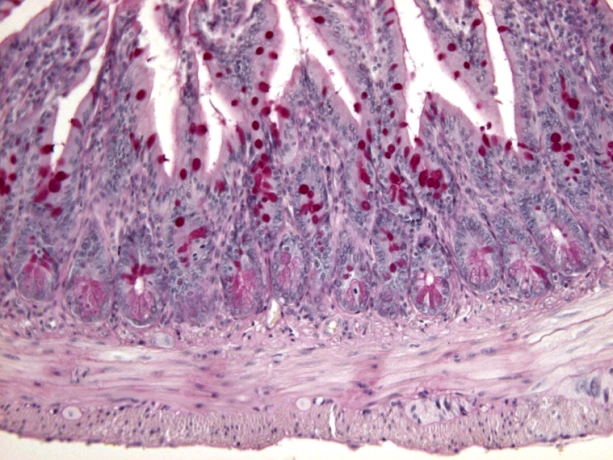
Also, researchers are now able to add several strings of electrodes at the bottom of the fibers. Different electrodes can come into contact with each other depending on how the pressure is applied to the surface of the material and this pressure is causing the electrodes to transmit the signal.
With the help of Professor Dr. Oliver Brock, researchers from the Technical University of Berlin integrated new fibers into robotic fingers and created artificial nerves. If fingers touch something, electrodes within the fibers transmit information about the environment and their interaction. The team also tested fibers in large-mesh clothing to detect stretching and compression. This technology could be also used to improve a touch keyboard that is integrated into clothing directly.
The researchers also presented many other applications of this technology.
Thermal drawing is now ready for large-scale production. This is a real advantage for the production sector. The textile industry is already interested in this technology, and orders have been filed.
Share the News