

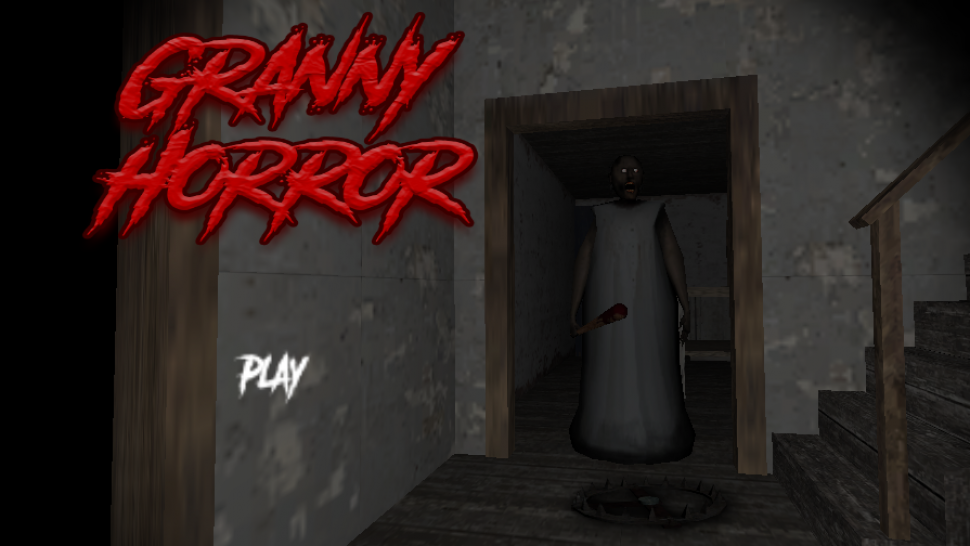

Granny is a horror escape game that delivers intense tension through silence, fear, and constant danger. The game places players inside a dark house where every sound matters and every step can lead to failure. With simple controls and minimal guidance, Granny creates a terrifying atmosphere that relies on psychology rather than visual violence. This unique approach makes the game memorable and highly replayable for horror fans across the world.
Overview of the Granny Horror Concept
Granny focuses on survival and escape within a limited time frame. Players wake up inside a locked house and must find a way out within five days. The house feels like a living trap filled with hidden dangers, locked doors, and mysterious tools. Every action produces sound, and sound attracts danger.
Core Survival Objective
The main goal in Granny is to escape the house before time runs out. Each day represents one attempt, and mistakes result in punishment. Players must memorize room layouts, trap locations, and item positions to improve chances during each new attempt.
Atmosphere and Psychological Fear
The game relies heavily on sound design and darkness. Floor creaks, falling objects, and footsteps create constant anxiety. Silence feels dangerous, and sudden noise leads to panic. This psychological pressure makes even simple actions feel risky.
Gameplay Mechanics That Create Tension
Granny uses simple mechanics but combines them in ways that feel punishing and fair at the same time. Learning through failure becomes a core part of progress.
Stealth and Movement Control
Movement requires patience and awareness. Running increases noise, while crouching allows quieter exploration. Dropping items or stepping on traps can immediately reveal location. Careful planning becomes essential.
Puzzle Based Progression
The house contains many locked paths that require specific tools. Keys, pliers, hammers, and special items open new routes. Each puzzle connects to exploration and risk management rather than direct combat.
Limited Resources and Time Pressure
There are no weapons that allow direct confrontation. Hiding under beds or inside cabinets becomes the only defense. Limited time adds pressure and forces decision making under stress.
House Design and Environmental Storytelling
The house layout feels intentionally confusing. Multiple floors, secret passages, and hidden rooms encourage exploration while increasing danger.
Room Variety and Hidden Areas
Each room serves a purpose. Basements feel cold and unsafe. Attics increase fear through isolation. Secret tunnels provide shortcuts but often include traps. This design rewards curiosity while punishing recklessness.
Environmental Clues and Visual Hints
Small visual details guide players without direct instructions. Blood stains, broken furniture, and locked containers suggest danger or opportunity. Observing the environment carefully improves survival chances.
Difficulty Levels and Replay Value
Granny offers several difficulty settings that change gameplay behavior. These options make the game accessible for beginners while remaining challenging for experienced players.
Adjustable Challenge Settings
Higher difficulty reduces hiding spots and increases danger speed. Lower difficulty allows learning mechanics and layout without constant failure. This flexibility supports different play styles.
Randomized Item Placement
Item locations change between sessions. This randomness prevents memorization from becoming dominant and keeps each run unpredictable. Replay value remains high due to constant variation.
Sound Design and Minimal Visual Style
Granny proves that fear does not require complex graphics. The game uses simplicity to increase immersion.
Audio Driven Fear Mechanics
Sound acts as the main threat indicator. Dropping an object creates immediate consequences. Silence becomes a strategic choice rather than comfort.
Simple Graphics With Strong Impact
Low detail textures focus attention on shadows and movement. Darkness hides danger and forces slow exploration. This visual restraint supports tension rather than reducing it.
Strategy Tips for New Players
Survival improves through patience and observation. Rushing rarely leads to success in Granny.
Learning Through Early Failures
Early attempts should focus on exploration rather than escape. Learning room layout and trap placement provides long term advantage.
Managing Sound Carefully
Avoid running and dropping items unnecessarily. Plan routes before movement. Silence becomes a powerful survival tool.
Using Hiding Spots Effectively
Hiding under furniture saves lives. Learning when to hide versus when to move determines success. Panic often leads to mistakes.
Why Granny Remains Popular
Granny continues to attract players due to simplicity, challenge, and emotional impact. The game proves that strong design matters more than complex systems.
Accessibility Across Platforms
Granny runs smoothly on mobile devices and low end systems. Easy access increases player base and community engagement.
Strong Community and Content Creation
Many players share gameplay videos and challenge runs. Community interest keeps the game relevant and encourages creative strategies.
Conclusion
Granny delivers a pure horror escape experience built on tension, sound awareness, and careful planning. The game challenges patience and observation rather than reflexes. With unpredictable gameplay, atmospheric design, and strong replay value, Granny remains a standout title in the horror genre. Players seeking fear through simplicity will find this experience unforgettable.
Share the News