


Toronto homeowners are a resilient bunch, accustomed to the quirks of city living, including the occasional raccoon sighting. When the first scratch or thump echoes from the attic, the internal debate begins. Is it really that urgent? Perhaps they are just passing through. Maybe if you ignore them, they will get bored and move on. This line of thinking, as tempting as it is, sets the stage for a cascade of consequences that can transform a manageable wildlife issue into a full-blown household crisis. Choosing to skip professional raccoon removal is not a neutral decision; it is an active choice to allow a problem to fester, with repercussions that will eventually demand your attention in the most expensive and stressful ways imaginable. Understanding exactly what is at stake can make the difference between a simple fix and a costly nightmare.
The Snowball Effect of Structural Decay
What begins as a single entry point, perhaps a chewed hole the size of a grapefruit, rarely stays that way. Raccoons are persistent creatures, and once they have established a den, they will continue to modify their environment to suit their needs. They will enlarge openings to make coming and going easier, tear at wooden beams to create more space, and pull apart ductwork to clear a path. This ongoing construction project happens silently within your walls and attic, invisible to your daily life until the damage becomes undeniable. Over time, the structural integrity of your roof can be compromised. Soffits may sag and detach entirely. The wooden framing of your attic can suffer from prolonged exposure to urine, leading to rot and weakening of critical support structures. What could have been resolved with a simple patch job and a one-way door now requires significant carpentry work, roof repairs, and potentially even the replacement of structural beams.
From Nuisance to Public Health Hazard
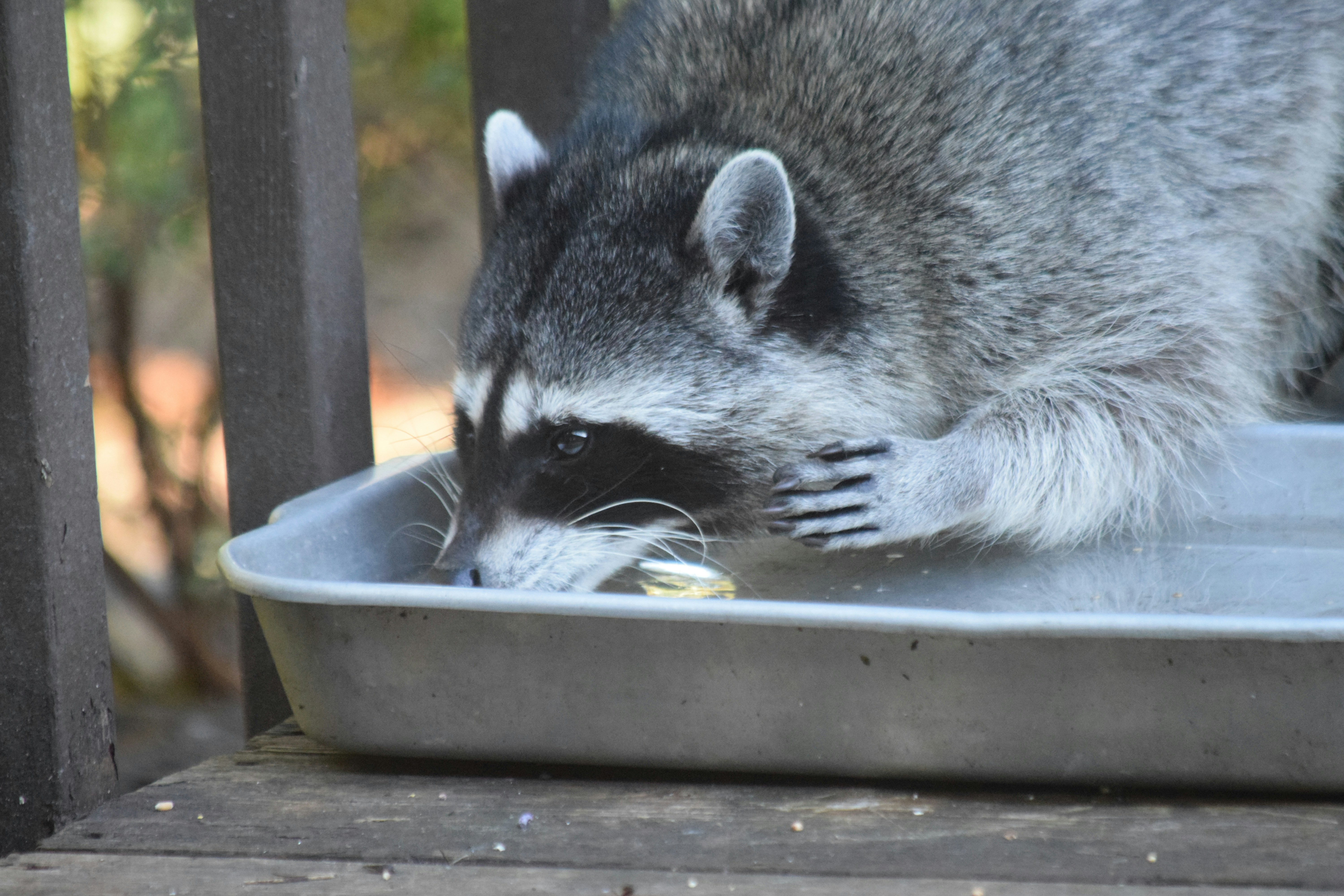
Skipping removal allows what was a small amount of waste to accumulate into a serious biohazard. Raccoons are creatures of habit and will consistently use the same area of your attic as a latrine. Over weeks and months, this spot becomes saturated with urine and piled high with feces. This is not merely an unpleasant mess; it is a concentrated source of disease. The risk of raccoon roundworm eggs contaminating your home increases exponentially with the volume of droppings. These eggs are resilient and can remain viable in your attic for years, waiting to be stirred up by future renovations or even the simple act of storing holiday decorations. The ammonia fumes from accumulated urine can also reach levels that are irritating to the respiratory system, causing chronic coughing, headaches, and worsening conditions like asthma for everyone in the household. You are not just ignoring animals; you are ignoring a growing toxic waste site above your head.
The Certainty of Escalating Costs
Perhaps the most tangible consequence of skipping removal is the inevitable financial hit that grows larger with every passing day. The raccoon removal industry operates on a simple principle: the longer you wait, the more it costs. A professional removal and exclusion service for a recent infestation might cost a few thousand dollars. However, if you delay for months, that same company will need to factor in the removal of tons of soiled insulation, the disposal of contaminated materials, the sanitization of the entire attic space, and repairs for extensive structural and electrical damage. Suddenly, you are not looking at a wildlife control bill; you are looking at a home renovation project. Insurance policies rarely cover animal damage, meaning these escalating costs come directly out of your pocket. Skipping removal is essentially a gamble where the house always wins, and you are betting against your own financial stability.
The Invasion of Secondary Pests
One of the most overlooked consequences of ignoring a raccoon infestation is the chain reaction it triggers with other pests. The raccoons themselves are messy tenants. They leave behind food scraps, create nesting debris, and generate a steady supply of droppings. This organic matter is an irresistible attractant for a host of other creatures. Flies will swarm to the feces to lay their eggs, leading to maggot infestations. Cockroaches and beetles will find a plentiful food source in the accumulated debris. If a raccoon dies within the walls, the smell of decay will draw in rodents, ants, and other scavengers. Furthermore, the entry points the raccoons created remain wide open, serving as a convenient highway for squirrels, mice, rats, and birds to enter your home freely. By ignoring the primary problem, you are effectively signing up for a multi-species infestation that will require exponentially more time, money, and effort to resolve.
The Gradual Erosion of Home and Health
Beyond the obvious physical damage and financial strain, there is a more insidious consequence of sharing your home with an uninvited wildlife family: the slow erosion of your comfort, health, and peace of mind. The constant nighttime noises become a source of chronic sleep deprivation. The knowledge that wild animals are living, eating, and eliminating waste just above your bedroom creates a persistent undercurrent of stress and anxiety. You may find yourself avoiding certain rooms, feeling like a guest in your own home. For families with young children, there is the added worry about long-term health effects from contaminated air or the slim but terrifying chance of a raccoon finding its way into living spaces. Your home is supposed to be your sanctuary, your safe place. Allowing raccoons to remain transforms it into a source of constant unease, chipping away at the fundamental sense of security that every person deserves. Choosing professional removal is not just about fixing a problem; it is about reclaiming your home and your well-being.
Share the News