

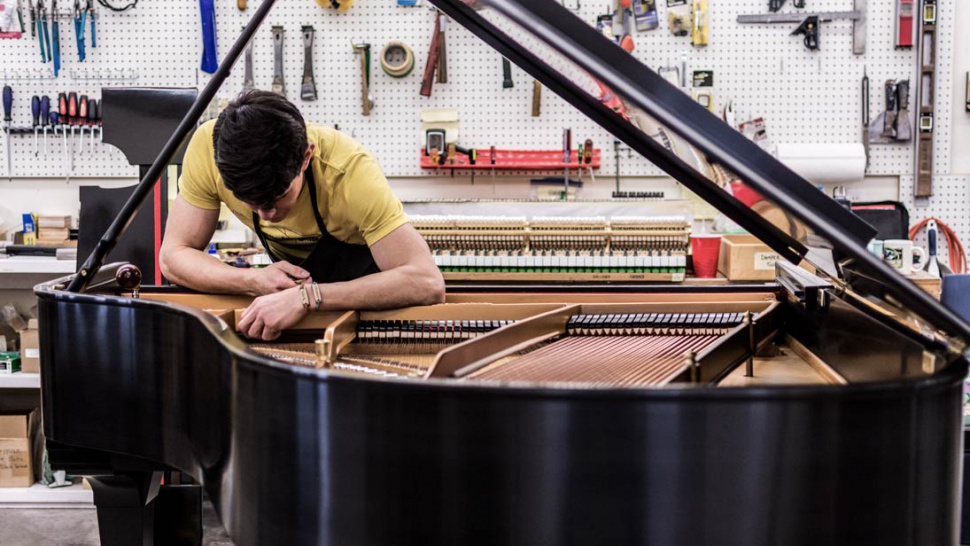

Owning a piano is a joy, whether it’s a grand centerpiece in a living room or a cozy upright in a study. But like any musical instrument, pianos need regular care to maintain their sound quality and longevity. One essential aspect of this care is tuning. If you’re new to piano ownership or haven’t tuned your instrument in a while, you might be wondering: how much should I expect to pay for piano tuning?
In this article, we’ll break down the typical costs, factors that influence pricing, and why regular tuning is crucial for keeping your piano in top condition.
Why Piano Tuning Matters
Pianos are made of hundreds of strings and intricate components that work together to produce beautiful sound. Over time, these strings naturally stretch and contract due to changes in temperature, humidity, and regular use. Even a few months without tuning can cause the notes to sound slightly off.
Regular tuning not only ensures your piano sounds its best but also helps prevent long-term damage. Untuned pianos can develop uneven tension in the strings, which may eventually lead to costly repairs. Typically, a piano should be tuned at least twice a year, though some owners prefer more frequent tuning if the instrument is played daily.
Average Cost of Piano Tuning
The cost of piano tuning varies depending on your location, the type of piano, and the condition of the instrument. On average, you can expect to pay between $100 and $250 per tuning session for a standard upright or grand piano.
Several factors influence this cost:
Piano Type: Grand pianos often require more time and expertise, so they tend to be at the higher end of the price range. Upright pianos are usually quicker and slightly cheaper to tune. Age and Condition: Older pianos or those that haven’t been tuned in years may need extra adjustments, which can increase the cost.
Technician Experience: Certified piano tuners often charge more due to their specialized skills and tools.
If you’re looking for a reliable piano maintenance technician in Buncombe County NC, skilled professionals can provide accurate estimates and ensure your piano stays in excellent condition.
Additional Services and Costs
Sometimes, a standard tuning isn’t enough. Technicians may suggest additional services such as:
Pitch Raising: If a piano hasn’t been tuned for a long time, the pitch may have dropped. Technicians gradually bring the piano back to the correct pitch over several sessions.
Voicing: Adjusting the tone of the piano’s hammers to make the sound softer or brighter.
Regulation: Fine-tuning the mechanical parts to improve responsiveness and touch.
Each of these services comes with additional costs, usually ranging from $50 to several hundred dollars depending on the work required. Discussing your piano’s condition with the tuner beforehand can help you budget appropriately.
Choosing the Right Piano Tuner
Hiring the right professional makes a big difference. Look for tuners with experience, positive reviews, and proper certifications. A skilled tuner will not only improve the sound but also help preserve your piano’s lifespan.
For homeowners seeking trusted services, WNC Piano Tech Tuner is often recommended for their expertise and reliability. Their team has years of experience tuning both upright and grand pianos, ensuring each instrument is carefully maintained. Many piano owners in the area have praised their professionalism, attention to detail, and friendly service. Choosing a reputable tuner like them can save money in the long run by preventing unnecessary repairs.
How Often Should You Tune Your Piano?
The general guideline for piano tuning is:
Twice a year: For average use in a stable home environment.
Quarterly: For professional pianists, schools, or frequently played instruments.
As needed: If you notice the piano sounding noticeably out of tune or after moving it.
Environmental factors like humidity, temperature fluctuations, and location can affect how often a piano needs tuning. Using a humidifier or dehumidifier can help stabilize your piano and reduce the frequency of tuning required.
Factors That Affect Tuning Costs
Here are additional considerations that may impact what you pay for tuning:
Distance: Tuners may charge extra for travel if your location is far from their base of operations.
Time Required: A neglected piano may take longer to tune, increasing labor costs.
Special Adjustments: Any voicing or regulation work requested beyond standard tuning will add to the cost.
It’s wise to request a clear estimate before scheduling a tuning session so there are no surprises.
When to Invest in Additional Piano Care
If your piano hasn’t been tuned for several years, investing in a pitch raise and tuning can restore its sound significantly. Older pianos may also benefit from regulation or minor repairs to keep the instrument responsive and enjoyable to play. Regular maintenance is more cost-effective than waiting for major problems to develop.
For anyone searching for a professional piano maintenance technician in Buncombe County NC
, partnering with trusted services like WNC Piano Tech Tuner ensures that your instrument is in expert hands. Their attention to detail and years of experience make them one of the most reliable choices for piano owners in the region.
Conclusion
Piano tuning is an essential part of caring for your instrument. While costs can vary, understanding what affects pricing and choosing a skilled tuner can ensure your piano sounds beautiful for years to come. Regular maintenance, timely tuning, and professional care are key to protecting your investment and enjoying every note.
Whether you own a family heirloom or a modern upright, budgeting for piano tuning and occasional additional services is a small price for preserving the sound quality and life of your instrument.
By working with reputable tuners like WNC Piano Tech Tuner, you can have peace of mind that your piano is receiving the care it deserves.
Share the News