

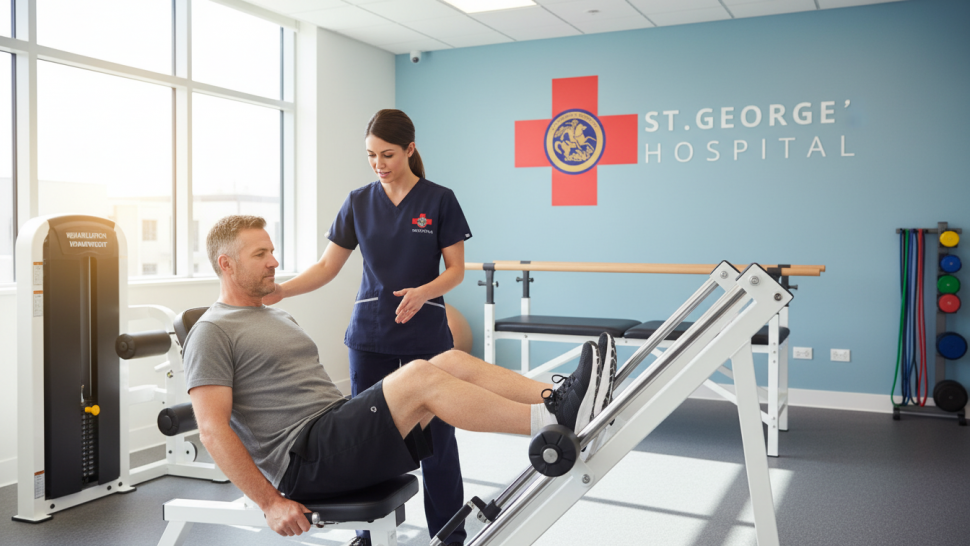
In modern healthcare, Rehabilitation Therapy plays a vital role in helping individuals recover from injuries, illnesses, and balance-related disorders. One specialized form of therapy that has gained importance in recent years is vestibular rehabilitation therapy. This treatment focuses on improving balance, reducing dizziness, and restoring stability for individuals experiencing inner ear or neurological issues. At St George Hospital, patients receive structured care through advanced Rehabilitation Services designed to support recovery and improve quality of life.
Vestibular rehabilitation therapy is commonly provided in a Rehabilitation Center setting where trained professionals guide patients through personalized exercises. It is particularly beneficial for individuals suffering from vertigo, dizziness, or balance disorders caused by vestibular dysfunction. Understanding how this therapy works helps patients take informed steps toward recovery and regain confidence in daily activities.
Understanding Vestibular Rehabilitation Therapy
Vestibular rehabilitation therapy is a specialized form of physical therapy aimed at treating disorders of the vestibular system, which is responsible for maintaining balance and spatial orientation. When this system is disrupted, individuals may experience dizziness, imbalance, and difficulty coordinating movement.
The goal of this therapy is to retrain the brain to process balance signals more effectively. Through targeted exercises and movement strategies, patients gradually improve their ability to maintain stability and reduce symptoms. This approach is an important part of comprehensive Rehabilitation Therapy programs offered in clinical environments.
Healthcare providers at St George Hospital assess each patient’s condition carefully before recommending a customized therapy plan. Early diagnosis and treatment improve outcomes and reduce the risk of long-term complications.
How the Vestibular System Works
The vestibular system is located in the inner ear and works closely with the brain to control balance, posture, and eye movements. It sends signals about head position and motion to the brain, allowing the body to stay upright and stable.
When this system is damaged due to injury, infection, aging, or neurological conditions, communication between the brain and body becomes disrupted. This leads to symptoms such as dizziness, vertigo, nausea, and difficulty walking.
Vestibular rehabilitation therapy focuses on restoring this communication through structured exercises. As part of broader Rehabilitation Services, these treatments aim to help patients regain control over their movements and improve coordination.
Conditions Treated with Vestibular Rehabilitation Therapy
Vestibular rehabilitation therapy is used to treat a range of conditions affecting balance and dizziness. Common conditions include benign paroxysmal positional vertigo, vestibular neuritis, labyrinthitis, and Ménière’s disease. It is also effective for patients recovering from head injuries or neurological disorders.
Individuals experiencing chronic dizziness or imbalance due to aging may also benefit from therapy. In addition, patients undergoing Sports Injury Rehabilitation after head trauma or concussion often require vestibular therapy to restore balance and coordination.
At St George Hospital, specialists evaluate each case carefully and recommend appropriate treatment plans based on patient needs. Personalized care ensures effective recovery and improved daily functioning.
Assessment Process in Vestibular Rehabilitation
The treatment process begins with a comprehensive assessment conducted by trained therapists. This evaluation includes reviewing medical history, analyzing symptoms, and performing balance and coordination tests.
Therapists may observe eye movements, posture, and walking patterns to identify abnormalities. Diagnostic tools help determine how the vestibular system is functioning and where the imbalance occurs.
Accurate assessment is essential for developing a personalized therapy plan. In a professional Rehabilitation Center, this process ensures that each patient receives targeted treatment based on their specific condition.
Treatment Techniques Used in Vestibular Rehabilitation
Vestibular rehabilitation therapy involves a variety of exercises designed to improve balance and reduce dizziness. These exercises focus on gaze stabilization, balance training, and habituation techniques that help the brain adapt to movement.
Gaze stabilization exercises improve eye control and coordination during head movement. Balance training helps strengthen muscles and improve posture. Habituation exercises reduce sensitivity to motion by gradually exposing patients to movements that trigger symptoms.
These techniques are carefully structured and adjusted over time. As part of Rehabilitation Therapy, consistent practice helps patients regain stability and confidence in their movements.
Benefits of Vestibular Rehabilitation Therapy
Vestibular rehabilitation therapy offers significant benefits for individuals experiencing dizziness and balance disorders. It reduces symptoms such as vertigo, improves coordination, and enhances overall mobility.
Patients often experience increased confidence in daily activities, reduced risk of falls, and improved independence. For elderly individuals, these improvements are particularly important in maintaining safety and quality of life.
Healthcare professionals at St George Hospital provide continuous monitoring and support to ensure patients achieve optimal outcomes. Effective therapy contributes to long-term improvement through structured Rehabilitation Services.
Role of Rehabilitation Centers in Recovery
A Rehabilitation Center provides a structured environment where patients receive specialized care and supervision during recovery. These centers are equipped with advanced tools and trained professionals who guide patients through therapy sessions.
Patients benefit from personalized treatment plans, regular monitoring, and access to multidisciplinary care teams. Collaboration between physiotherapists, neurologists, and other healthcare providers ensures comprehensive treatment.
Facilities such as St George Hospital offer integrated care that supports recovery across multiple health conditions. Professional supervision enhances the effectiveness of Rehabilitation Therapy programs.
Vestibular Therapy in Sports Injury Rehabilitation
Athletes recovering from concussions or head injuries often experience balance and coordination issues. Vestibular rehabilitation therapy plays a crucial role in restoring these functions and supporting safe return to physical activity.
As part of Sports Injury Rehabilitation, therapy focuses on improving reaction time, stability, and movement control. Athletes undergo structured exercises that gradually increase intensity as they recover.
Specialized care at St George Hospital ensures that athletes receive targeted treatment and professional monitoring throughout their recovery journey.
When to Seek Vestibular Rehabilitation Therapy
Individuals should consider seeking therapy if they experience persistent dizziness, vertigo, imbalance, or difficulty walking. Symptoms that interfere with daily activities or increase the risk of falls require medical evaluation.
Early intervention improves treatment outcomes and prevents complications. Patients can consult healthcare providers at St George Hospital for proper diagnosis and referral to appropriate Rehabilitation Services.
Timely care ensures faster recovery and reduces the impact of vestibular disorders on daily life.
Conclusion
Vestibular rehabilitation therapy is an essential component of modern Rehabilitation Therapy that focuses on improving balance, reducing dizziness, and restoring stability. Through structured exercises and professional guidance, patients can regain confidence and improve their quality of life.
Healthcare institutions like St George Hospital provide comprehensive treatment through specialized Rehabilitation Services and expert care teams. Whether addressing age-related balance issues or supporting recovery from injury, vestibular therapy plays a vital role in effective rehabilitation.
Understanding this therapy empowers individuals to seek timely treatment and achieve better health outcomes.
Frequently Asked Questions About Rehabilitation Services
What is vestibular rehabilitation therapy?
Vestibular rehabilitation therapy is a specialized form of treatment designed to reduce dizziness and improve balance by retraining the brain to process signals from the inner ear more effectively.
Who needs vestibular rehabilitation therapy?
Individuals experiencing vertigo, dizziness, balance issues, or recovering from head injuries may benefit from this therapy as part of structured Rehabilitation Therapy programs.
How long does vestibular rehabilitation take?
The duration varies depending on the condition and severity, but many patients see improvement within a few weeks of consistent therapy sessions.
Is vestibular rehabilitation therapy safe?
Yes, it is a safe and non-invasive treatment performed by trained professionals in a controlled Rehabilitation Center environment.
Can vestibular therapy cure vertigo?
In many cases, vestibular therapy significantly reduces or eliminates symptoms of vertigo, especially when caused by inner ear disorders.
What exercises are included in vestibular therapy?
Exercises include balance training, eye movement control, and motion-based activities that help the brain adapt and improve coordination.
Do elderly patients benefit from vestibular therapy?
Yes, elderly individuals benefit greatly as therapy reduces fall risk and improves mobility and independence.
Is vestibular therapy part of sports injury recovery?
Yes, it is commonly used in Sports Injury Rehabilitation for athletes recovering from concussions or head trauma.
Do I need a doctor’s referral for vestibular therapy?
In most cases, a referral from a healthcare provider is recommended for proper diagnosis and treatment planning.
Where can I get vestibular rehabilitation therapy?
Patients can access therapy at hospitals such as St George Hospital or specialized rehabilitation clinics offering professional Rehabilitation Services.
Share the News