

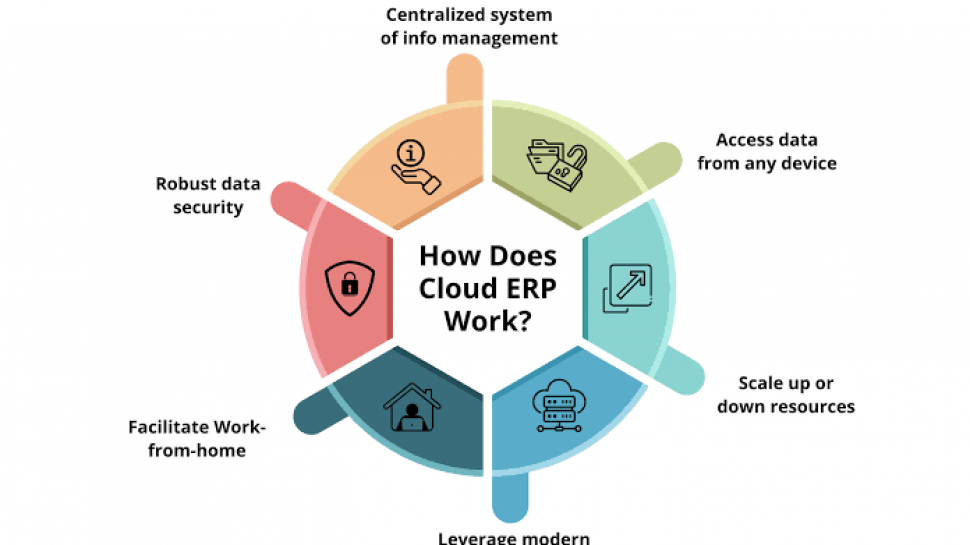

As businesses continue to embrace digital transformation, Enterprise Resource Planning (ERP) systems have become essential tools for improving efficiency, streamlining operations, and supporting growth. However, one of the most important decisions organizations face when selecting an ERP system is choosing between a Cloud ERP solution and a Traditional On-Premises ERP system.
Both options offer powerful capabilities for managing finance, inventory, purchasing, sales, operations, and reporting. However, Premier Tech Partner they differ significantly in terms of deployment, cost, maintenance, scalability, security, and long-term business value.
Understanding these differences can help your organization make an informed decision and select the ERP solution that best aligns with your business goals.
What Is Traditional ERP?
Traditional ERP, often referred to as on-premises ERP, is installed and operated on servers owned and maintained by the organization.
With this model, businesses are responsible for:
Purchasing hardware
Managing servers
Installing software updates
Maintaining security
Performing backups
Supporting system infrastructure
For many years, traditional ERP systems were the standard choice for organizations seeking centralized business management.
What Is Cloud ERP?
Cloud ERP is hosted by a cloud service provider and accessed through the internet.
Instead of managing physical infrastructure, businesses subscribe to the software and access it through secure web-based platforms.
Cloud ERP providers typically manage:
Infrastructure
System maintenance
Software updates
Data backups
Security monitoring
Disaster recovery
This approach allows businesses to focus more on operations and less on IT management.
Deployment and Accessibility
One of the most noticeable differences between Cloud ERP and Traditional ERP is accessibility.
Traditional ERP
Traditional ERP systems are usually accessed through company networks and often require specialized configurations for remote access.
While remote connectivity is possible, it can be more complex to manage and maintain.
Cloud ERP
Cloud ERP allows authorized users to securely access business data from virtually anywhere with an internet connection.
This flexibility supports:
Remote work
Multiple business locations
Mobile access
Distributed teams
For modern organizations, accessibility is often a major advantage of cloud-based solutions.
Cost Comparison
Cost is one of the primary considerations when evaluating ERP systems.
Traditional ERP Costs
Traditional ERP generally requires:
Significant upfront licensing fees
Hardware purchases
Infrastructure investments
Ongoing maintenance expenses
Internal IT resources
The initial investment can be substantial, particularly for growing businesses.
Cloud ERP Costs
Cloud ERP typically operates on a subscription-based pricing model.
Businesses benefit from:
Lower upfront costs
Predictable monthly expenses
Reduced infrastructure requirements
Lower maintenance costs
This pricing structure often makes Cloud ERP more accessible for small and mid-sized organizations.
Scalability and Business Growth
As businesses grow, technology must evolve alongside operational requirements.
Traditional ERP
Scaling an on-premises ERP system may require:
Additional servers
Infrastructure upgrades
Hardware investments
Increased IT management
Expansion can be both time-consuming and costly.
Cloud ERP
Cloud ERP solutions are designed for scalability.
Organizations can often add:
New users
Additional storage
Expanded functionality
Multiple locations
without significant infrastructure changes.
This flexibility helps businesses adapt quickly to changing market conditions.
System Maintenance and Updates
Maintaining business software requires ongoing attention.
Traditional ERP
Organizations are responsible for:
Software updates
Security patches
Server maintenance
Performance monitoring
Backup management
These tasks can consume significant IT resources.
Cloud ERP
Cloud providers typically manage maintenance activities, including:
Automatic updates
Security enhancements
Infrastructure monitoring
Backup management
Businesses gain access to the latest features without the burden of manual upgrades.
Security Considerations
Security remains a top priority for organizations evaluating ERP solutions.
Traditional ERP Security
With on-premises ERP, businesses maintain direct control over:
Security policies
Server infrastructure
Data storage
User permissions
However, organizations are also responsible for implementing and maintaining all security measures.
Cloud ERP Security
Leading Cloud ERP providers invest heavily in:
Data encryption
Multi-Factor Authentication (MFA)
Threat monitoring
Disaster recovery
Compliance certifications
For many businesses, cloud providers can offer security capabilities that exceed what internal IT teams can realistically maintain.
Disaster Recovery and Business Continuity
Unexpected events such as cyberattacks, power outages, or natural disasters can disrupt operations.
Traditional ERP
Businesses must develop and maintain their own disaster recovery systems, including:
Backup infrastructure
Recovery procedures
Data replication
Offsite storage
Cloud ERP
Most cloud providers include built-in disaster recovery and backup capabilities, helping organizations recover more quickly and minimize downtime.
This is particularly valuable for businesses that depend on continuous system availability.
Implementation Speed
The time required to deploy an ERP system can significantly impact project costs and business disruption.
Traditional ERP
Implementation often includes:
Hardware procurement
Server configuration
Infrastructure setup
Software installation
These requirements can extend project timelines.
Cloud ERP
Cloud ERP implementations typically proceed faster because infrastructure is already available.
This allows organizations to begin using the system sooner and achieve value more quickly.
Which Businesses Should Choose Traditional ERP?
Traditional ERP may be suitable for organizations that:
Require complete infrastructure control
Have extensive internal IT resources
Operate under highly specific data-hosting requirements
Maintain substantial investments in existing infrastructure
In certain circumstances, on-premises deployment remains a viable option.
Which Businesses Should Choose Cloud ERP?
Cloud ERP is often the preferred choice for organizations seeking:
Lower upfront costs
Greater scalability
Remote accessibility
Faster implementation
Reduced IT management
Automatic updates
Enhanced business agility
Many growing businesses find that Cloud ERP aligns more effectively with modern operational needs.
Key Questions to Ask Before Choosing
Before making a decision, consider:
What is our available budget?
How important is remote access?
Do we have internal IT resources to manage infrastructure?
How quickly do we expect to grow?
What security and compliance requirements must we meet?
How important is scalability?
What are our long-term technology goals?
The answers to these questions can help determine the best ERP deployment model for your organization.
Final Thoughts
Choosing between Cloud ERP and Traditional ERP is not simply a technology decision—it's a strategic business decision. The right solution should support your operational requirements, growth plans, security needs, and overall business objectives.
While traditional ERP systems continue to serve certain organizations effectively, Cloud ERP has emerged as the preferred choice for many businesses due to its flexibility, scalability, accessibility, and lower total cost of ownership.
Conclusion
Selecting the right ERP deployment model is critical to achieving long-term business success. Whether your organization prioritizes infrastructure control, rapid scalability, remote accessibility, or cost efficiency, understanding the strengths of each approach will help you make an informed decision.
At Premier Tech Partner, we help businesses evaluate, implement, and optimize ERP solutions that align with their unique operational requirements and growth strategies. From ERP consulting and cloud migration to implementation, customization, training, and ongoing support, our team provides the expertise needed to ensure a successful ERP journey.
Whether you're exploring ERP for the first time or upgrading an existing system, Premier Tech Partner can help you choose the right solution to drive efficiency, improve visibility, and support sustainable business growth.
Share the News