


Whether you're quilting a family heirloom, sewing a custom garment, or creating intricate embroidery, lighting plays a crucial role in the quality of your work.CutterPillar While many crafters invest in sewing machines, fabric, and cutting tools, proper lighting is often overlooked. Yet, it can have a significant impact on accuracy, comfort, and productivity.
Poor lighting can lead to eye strain, uneven stitches, incorrect color matching, and mistakes that may require time-consuming corrections. On the other hand, a well-lit workspace allows you to focus on the details, reduce fatigue, and complete projects with greater confidence.
In this guide, we'll explore why proper lighting is an essential sewing accessory, how it improves your crafting experience, and what to look for when choosing the best lighting solutions for your sewing room.
Why Lighting Matters in Sewing
Sewing involves precision. Whether you're following a pattern, trimming fabric, or stitching a delicate seam, clear visibility is essential.
Insufficient lighting can make simple tasks more difficult, increasing the likelihood of errors and slowing down your workflow. Good lighting helps you see every detail clearly, making your projects more accurate and enjoyable.
Benefits of Proper Lighting
A well-lit sewing space offers several advantages:
Improves stitching accuracy
Reduces eye strain and fatigue
Makes pattern markings easier to see
Enhances color matching
Increases productivity
Improves cutting precision
Creates a safer workspace
Even experienced sewists notice a significant improvement when upgrading their workspace lighting.
Common Problems Caused by Poor Lighting
Many sewing mistakes can be traced back to inadequate lighting.
Some common issues include:
Missed Stitching Errors
Dim lighting makes it difficult to spot skipped stitches, uneven seams, or loose threads until the project is nearly complete.
Inaccurate Fabric Cutting
Poor visibility increases the chance of cutting along the wrong measurement line, resulting in wasted fabric and uneven pieces.
Difficulty Reading Patterns
Printed sewing patterns often include fine lines, symbols, and instructions that can be hard to distinguish without proper illumination.
Eye Fatigue
Squinting or straining to see details can quickly lead to tired eyes, headaches, and reduced concentration, especially during long crafting sessions.
Incorrect Thread Selection
Lighting affects how colors appear. Inadequate lighting may cause thread and fabric colors to look different than they actually are, leading to mismatched results.
Different Types of Sewing Lighting
Combining several lighting sources creates the most effective workspace.
Natural Light
Natural daylight provides excellent color accuracy and is ideal for selecting fabrics and thread.
Position your sewing table near a window whenever possible, but avoid direct sunlight that may fade fabrics over time.
Overhead Lighting
General ceiling lighting provides overall illumination for the room.
Choose bright, evenly distributed lighting that minimizes shadows across your workspace.
Task Lighting
Task lights focus illumination directly on your sewing machine or cutting area.
Adjustable desk lamps are useful for close-up work, especially when working with dark fabrics or intricate stitching.
LED Light Boards
LED light boards offer a unique type of illumination by lighting projects from underneath.
They're especially useful for:
Pattern tracing
Foundation paper piecing
Appliqué placement
Embroidery transfers
Fabric alignment
Paper crafting
Vinyl projects
The even backlighting helps reveal details that may be difficult to see under traditional lighting alone.
How Proper Lighting Improves Precision
Every stage of sewing benefits from improved visibility.
More Accurate Pattern Transfers
Clear illumination makes tracing sewing patterns and embroidery designs much easier, reducing alignment mistakes.
Better Fabric Placement
When working with layered fabrics or intricate quilt blocks, proper lighting helps ensure each piece is positioned correctly before stitching.
Cleaner Cutting
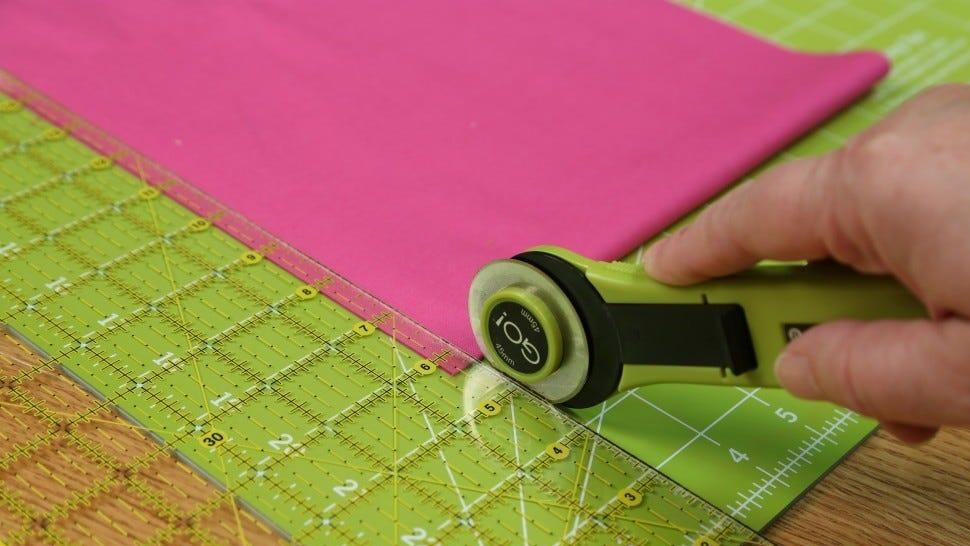
Well-lit cutting surfaces make it easier to follow measurement lines accurately, resulting in straighter edges and more consistent fabric pieces.
Improved Machine Sewing
Bright lighting around your sewing machine helps you maintain accurate seam allowances and identify stitching problems immediately.
Reducing Eye Strain During Long Sewing Sessions
Many sewing enthusiasts spend several hours at a time working on projects.
Without sufficient lighting, prolonged concentration can cause:
Dry eyes
Headaches
Blurred vision
Neck strain
Fatigue
To improve comfort:
Use bright, even lighting.
Eliminate harsh shadows.
Position lights to reduce glare.
Take short breaks every hour.
Adjust lighting based on fabric color and project detail.
Comfortable lighting helps you enjoy longer sewing sessions without unnecessary strain.
Choosing the Right Lighting for Your Workspace
When selecting sewing lights, consider these important features:
Adjustable brightness
Energy-efficient LED technology
Even light distribution
Low heat output
Portable design
Long lifespan
Minimal glare
Choosing the right lighting setup depends on your available space and the types of projects you most frequently complete.
Additional Tips for Better Sewing Visibility
In addition to upgrading your lighting, these simple habits can improve visibility:
Keep work surfaces clean.
Use light-colored cutting mats when appropriate.
Organize tools to reduce clutter.
Replace dim light bulbs promptly.
Clean sewing machine lights regularly.
Position your chair to avoid casting shadows.
Small adjustments can significantly improve your overall crafting experience.
Why Choose CutterPillar for Sewing Lighting Solutions?
If you're looking to improve precision and comfort in your sewing room, investing in reliable lighting tools is a smart choice. CutterPillar offers innovative LED light boards designed specifically for quilters, sewists, embroiderers, and creative hobbyists.
Their light boards provide bright, even illumination with adjustable brightness settings, making detailed tasks such as pattern tracing, foundation paper piecing, and appliqué placement easier and more accurate. Lightweight and portable, CutterPillar products are built to fit seamlessly into any crafting workspace while helping reduce eye strain and improve productivity.
Whether you're just beginning your sewing journey or have years of experience, CutterPillar provides practical solutions that help you create with confidence.
Final Thoughts
Proper lighting is more than just a convenience—it is an essential part of any productive sewing space. Clear visibility helps you work more accurately, avoid unnecessary mistakes, and enjoy your creative projects without discomfort.
By combining natural light, overhead illumination, task lighting, and specialized tools like LED light boards, you can create a workspace that supports both precision and comfort.
Conclusion
Every successful sewing project begins with the ability to clearly see the details. From accurate cutting and stitching to precise pattern tracing, proper lighting improves every stage of the creative process.
Choosing high-quality lighting solutions from CutterPillar can transform your sewing experience by providing the visibility needed for professional-quality results. With thoughtfully designed tools that support precision, comfort, and efficiency, CutterPillar helps makers bring their creative ideas to life with confidence and accuracy.
Share the News