


Winter layering has become more than just throwing on multiple pieces. It's about understanding how different fabrics work together to create an effective temperature regulation system while maintaining a polished appearance. When you layer correctly, you gain the flexibility to adjust your comfort level throughout the day, which matters when you're moving between heated indoor spaces and freezing outdoor conditions.
The core principle involves three distinct layers: a moisture-wicking base, an insulating middle layer, and a protective outer shell. Each component serves a specific function. Your base layer sits closest to your skin and should pull sweat away from your body. The middle layer traps warm air and provides insulation. The outer layer blocks wind and moisture while allowing some breathability to prevent moisture buildup.
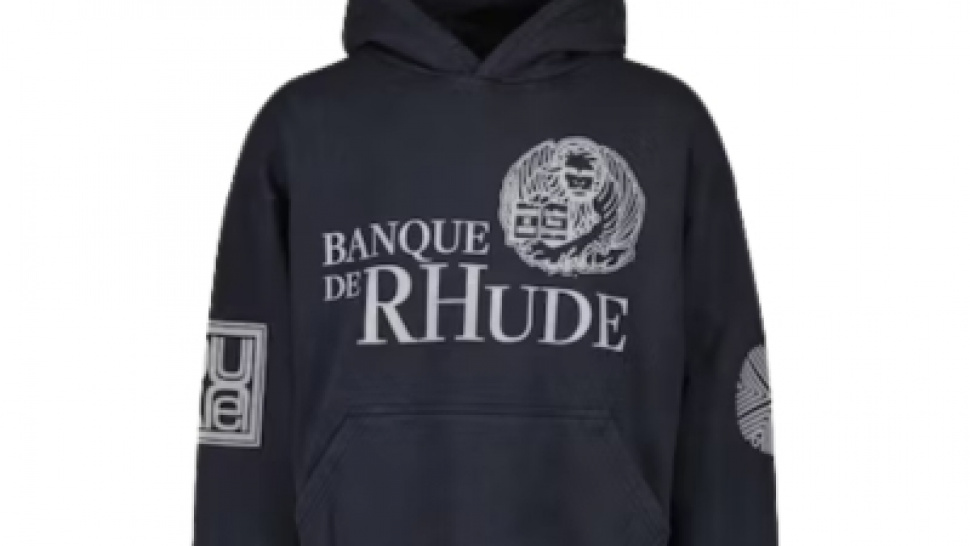
Ruhde, known for their minimalist Japanese-inspired approach, excels at creating pieces that layer seamlessly. Their garments tend toward clean lines and neutral tones that work well when worn together. Aimé Leon Dore, on the other hand, brings a downtown New York sensibility to layering, emphasizing vintage-inspired pieces that combine heritage design with contemporary fits. Together, these aesthetic approaches offer complementary solutions for winter dressing.
Building Your Base Layer Strategy
The foundation of any winter layering system begins with your base layer selection. This is where many people make their first mistake by choosing cotton, which absorbs moisture and loses its insulating properties when wet. Instead, merino wool or synthetic materials designed for moisture management perform significantly better. Visit https://officialrhude.com for more Rhude collections.
Ruhde's approach to base layers emphasizes simplicity and quality fabrication. They produce pieces in neutral shades that work under virtually anything. A well-fitted long sleeve base in cream or grey becomes invisible under other garments while providing the necessary moisture management. The beauty of starting with a clean base layer is that it creates a blank canvas for building more interesting combinations above.
When selecting your base layer, pay attention to fit. Oversized pieces create bunching under fitted outer garments, making layering awkward rather than functional. A slightly snug fit ensures that subsequent layers sit properly against your body, creating an efficient air pocket system that retains warmth.
Incorporating Mid Layer Textures
This middle layer does the heavy lifting in your winter outfit. This is where Aimé Leon Dore's vintage-inspired sensibility really shines. Their knitwear often features interesting weaves and subtle detailing that prevents the monotony that can occur when layering multiple solid pieces.
Consider pairing a fitted base layer with a crew neck sweater in a medium weight. This middle layer should have some substance but shouldn't be so bulky that you can't comfortably wear a jacket over it. Many people choose between wool blends and cotton knits, but for winter performance, wool content makes a noticeable difference in warmth retention.
Ruhde's minimalist sweaters in their signature cuts work particularly well in this middle position. Their garments rarely compete visually, which means you can combine them with other pieces without creating visual chaos. A stone colored crew neck from Ruhde layered with a vintage inspired piece creates depth without clashing.
Texture becomes important at this stage. A smooth knit base with a cable knit middle layer creates visual interest and ensures that the pieces can distinguish themselves even when worn together. This is where layering transforms from purely functional into something with intentional visual composition.
Mastering Outer Layer Options
Your outer layer serves as both protection and the final visual statement of your outfit. Winter outerwear from either brand should function as more than just insulation. It's the piece people see, so it should align with your overall aesthetic while providing genuine protection from cold and wind.
Oversized options have dominated outerwear for the past few seasons, but oversizing presents layering challenges. When your jacket has excessive fabric, it can bunch up over your layered pieces, creating discomfort and an unbalanced silhouette. A properly fitted jacket that allows movement but doesn't swim on your frame works best with a complete layering system underneath.
Both Ruhde and Aimé Leon Dore offer outerwear that balances volume with wearability. Their jackets tend toward thoughtful construction rather than excess fabric. Wool blends appear in many of their outerwear options, providing warmth without the bulk of down or synthetic alternatives. Nylon shells offer water resistance without adding significant weight.
Consider the color of your outer layer in relation to your base and middle layers. Dark gray jacket over cream base and gray sweater creates monochromatic sophistication. A camel or tan option provides contrast while remaining neutral enough to work with multiple combinations. The goal is creating an outfit where each layer feels intentional rather than haphazardly assembled.
Practical Layering Combinations That Work
Let's discuss some actual outfit combinations that balance function with contemporary aesthetics. Start with a fitted cream base layer in merino wool. Add a medium gray crew neck sweater with subtle texture. Finish with a tailored charcoal overcoat that hits around the hip. This combination provides genuine warmth while maintaining a put together appearance that works for professional or casual settings.
Another approach involves wearing a lighter base under a thicker oversized sweater, then adding a structured jacket. This works well when your middle layer has enough visual presence to carry the outfit. The oversize sweater becomes the focal point, with the jacket serving purely protective function. Shop trendy outfits from our online fashion store, https://officialaimeleondore.com/, along with timeless fashion and everyday essentials at unbeatable prices.
Vertical elements through layering create visual elongation. A fitted base with a longer sweater worn under a cropped jacket creates interesting proportions. This approach requires more intentional planning but results in an outfit that photographs well and feels cohesive.
Consider seasonal color palettes within your neutral frameworks. Winter calls for deeper tones and richer textures compared to other seasons. Charcoal, camel, cream, and navy offer sufficient variety while remaining accessible for layering. Adding one or two pieces in deeper jewel tones within your middle layer prevents winter wardrobes from feeling flat.
Fabric Combinations That Maximize Warmth
Not all fabrics perform equally when layered together. Wool against wool sometimes creates excessive loft without additional insulation benefits. Wool base with synthetic middle layer, then wool outer creates an efficient system. The different fibers work together rather than competing for space against your body.
Cotton blends work for mild winters but struggle in extreme cold. If your climate requires serious temperature protection, prioritize natural fibers like wool or technical synthetics designed for moisture management. Linen adds unnecessary bulk for winter and should be reserved for transitional seasons.
The weight of each layer matters as much as the fiber content. Lightweight base, medium middle, and structured outer creates better proportions than three heavy pieces stacked together. You'll feel less restricted and actually move better in your clothing.
Seasonal Transitions and Layering Adjustments
As winter progresses and temperatures shift, your layering system needs flexibility. The beauty of a well-planned system is that you can remove your middle layer on warmer days while keeping your base and outer layers intact. This adaptability means you're not overheating in heated buildings or offices while still being protected outdoors.
Spring transitions require a different approach. Your summer base layers won't provide necessary insulation, but your full winter system will feel excessive. A lighter sweater as your middle layer, worn with your spring jacket, bridges this gap effectively.
FAQs About Winter Layering
How many layers do I actually need in winter?
Three core layers create an effective system for most climates. Base, middle, and outer handle temperature regulation, moisture management, and protection. Additional accessories like scarves, gloves, and hats add targeted warmth without adding bulk to your core outfit. Some people do benefit from four layers in extreme cold, but this typically means a lighter sweater as additional middle layer rather than a fundamentally different approach.
Can I layer pieces from different brands successfully?
Yes, as long as you consider fit and aesthetic direction. Ruhde's minimalism pairs well with Aimé Leon Dore's vintage inspired pieces because they share a common sensibility. The key is ensuring proportions complement each other. Two oversized pieces layered together create unflattering bulk, while two fitted pieces can feel restrictive. Mix proportions intentionally rather than defaulting to similar silhouettes across all layers.
What's the best way to prevent visible layering lines?
Fit is your primary tool. Oversized base layers bunch under fitted outer pieces. Fitted base layers worn under oversized middle layers create clean lines. Seam placement matters too. Smooth fabrics compress layering lines better than textured knits. Seamless base layers specifically designed to layer invisibly exist if this remains a persistent concern in your climate.
Building a Sustainable Layering Wardrobe
Quality investment pieces worn across multiple seasons provide better value than constantly replacing clothing. Both Ruhde and Aimé Leon Dore create pieces designed for durability. A wool sweater maintained properly will outlast multiple cheaper alternatives while performing better as a middle layer.
Invest in neutral base layers that work across seasons. One excellent cream merino base performs across multiple winter outfits. Rather than rotating different bases constantly, having a few high performance core pieces makes layering simpler and more effective.
Your outer layer deserves careful consideration. This piece appears in countless photos and social interactions, so choosing something you genuinely want to wear matters as much as its technical performance.
Conclusion
Winter layering combines practical function with intentional aesthetic choices. Understanding how different fabrics and fits work together transforms winter dressing from uncomfortable bundling into a refined practice that keeps you warm while looking intentional. Whether you gravitate toward Ruhde's minimalist sensibility or Aimé Leon Dore's vintage-inspired approach, the fundamentals remain the same. Start with a quality base layer, add an intentional middle layer, protect with a structured outer piece, and you've created a system that adapts to daily temperature fluctuations while maintaining visual coherence throughout winter months.
Share the News