

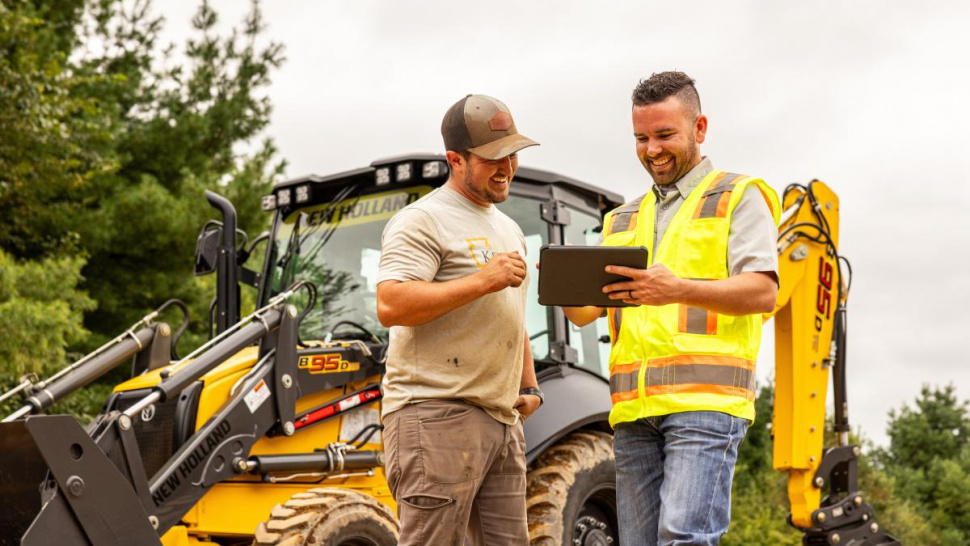

Managing a construction fleet involves much more than keeping vehicles and equipment on the job site. Trucks, excavators, loaders, trailers, cranes, and other heavy-duty assets require regular inspections, preventive maintenance, repairs, and service tracking. Without an organized system, missed maintenance can lead to unexpected breakdowns, project delays, and inefficient fleet operations.
Construction fleet maintenance software gives contractors and fleet managers a centralized way to schedule maintenance, monitor equipment service history, track inspections, manage work orders, and keep vehicles ready for the next job.
What Is Construction Fleet Maintenance Software?
Construction fleet maintenance software is a digital solution designed to help construction companies manage the maintenance and repair of vehicles and heavy equipment. Instead of relying on spreadsheets, paper records, or disconnected systems, fleet managers can organize maintenance information in one platform.
The software can be used to manage assets such as:
- Heavy-duty trucks
- Dump trucks
- Trailers
- Excavators
- Wheel loaders
- Skid steers
- Bulldozers
- Cranes
- Service vehicles
- Construction fleet equipment
By keeping maintenance records in one place, teams can gain better visibility into the condition and service requirements of their fleet.
Why Construction Companies Need Fleet Maintenance Software
Construction equipment often operates in demanding environments. Heavy workloads, long operating hours, dust, mud, and challenging job-site conditions can increase wear and tear.
A missed oil change or overdue inspection may seem minor, but it can contribute to larger mechanical problems. Fleet maintenance software helps companies move from reactive repairs toward a more structured preventive maintenance approach.
Reduce Unexpected Equipment Breakdowns
Preventive maintenance schedules help fleet managers identify upcoming service requirements before equipment develops serious problems. Automated reminders can alert teams when vehicles or equipment are approaching a scheduled maintenance interval.
This helps keep critical assets available for construction projects.
Centralize Maintenance Records
Paper records and spreadsheets can make it difficult to determine when a vehicle was last serviced or which repairs have already been completed.
Construction fleet maintenance software can maintain digital service histories for individual assets. Managers can review previous inspections, repairs, parts replacements, and other maintenance activities from a centralized system.
Improve Preventive Maintenance Scheduling
Different construction assets require different maintenance intervals. A truck may follow mileage-based service intervals, while equipment such as an excavator may require maintenance based on engine hours.
A maintenance management system can help teams schedule services according to the appropriate maintenance criteria and reduce the risk of overlooked tasks.
Key Features of Construction Fleet Maintenance Software
The right software should support the specific maintenance challenges faced by construction fleets.
Equipment and Vehicle Tracking
Fleet managers can create records for individual vehicles and equipment. Asset profiles may include identification information, specifications, service history, inspection records, and maintenance schedules.
This makes it easier to understand the maintenance status of each asset.
Preventive Maintenance Alerts
Automated alerts can notify technicians and managers about upcoming maintenance tasks. Depending on the system, schedules may be based on mileage, engine hours, calendar intervals, or other maintenance triggers.
Work Order Management
When equipment needs repair, teams can create work orders containing information about the reported issue, required work, assigned technician, parts, labor, and completion status.
This creates a more organized workflow between fleet managers, technicians, and other staff.
Digital Inspections
Inspections are an important part of construction fleet management. Digital inspection forms can help technicians record vehicle and equipment conditions and identify problems that require attention.
Inspection results can then be connected to maintenance workflows.
Service History
A detailed service history provides valuable information about an asset's maintenance activity. Managers can review previous repairs and identify recurring issues that may require additional attention.
Parts and Inventory Management
Construction repair operations often depend on having the right parts available. Maintenance software can help track parts used during repairs and provide better visibility into inventory levels.
This can help maintenance teams avoid unnecessary delays caused by unavailable parts.
Technician Management
Fleet maintenance software can help managers assign work orders and monitor the progress of maintenance tasks. Technicians can access relevant repair information and update work orders as work is completed.
How Construction Fleet Maintenance Software Improves Operations
The benefits extend beyond the maintenance department. Better maintenance processes can support construction operations across the organization.
Keep Equipment Job-Ready
Construction projects depend on vehicles and equipment being available when they are needed. A structured maintenance program helps teams identify upcoming service requirements and plan maintenance around operational schedules.
Make Maintenance More Proactive
Reactive maintenance usually begins after an asset has already developed a problem. Preventive maintenance focuses on identifying and addressing service requirements earlier.
This approach gives fleet managers greater control over maintenance activities.
Improve Communication
Construction fleets may include drivers, operators, technicians, supervisors, and fleet managers. A centralized system gives different team members access to relevant maintenance information.
For example, an operator can report an equipment problem, a manager can create or assign a work order, and a technician can document the completed repair.
Identify Recurring Problems
Digital maintenance records can reveal patterns across a fleet. If the same vehicle repeatedly requires similar repairs, managers can investigate the underlying issue rather than treating every repair as an isolated event.
Choosing the Right Construction Fleet Maintenance Software
Construction companies should consider several factors before selecting a maintenance platform.
- Asset support: Make sure the software can handle both vehicles and heavy construction equipment.
- Maintenance scheduling: Look for flexible scheduling based on mileage, engine hours, dates, or other relevant intervals.
- Work orders: The system should make it easy to create, assign, update, and close repair work orders.
- Inspections: Digital inspection capabilities can simplify routine vehicle and equipment checks.
- Service history: Detailed maintenance records are important for understanding asset history.
- Ease of use: Technicians and field teams should be able to use the system without unnecessary complexity.
- Reporting: Maintenance reports can help managers monitor fleet activity and identify recurring issues.
Best Practices for Construction Fleet Maintenance
Software is most effective when combined with consistent maintenance processes. Construction companies should establish preventive maintenance schedules for each asset and make inspection procedures part of routine operations.
Technicians should document completed work accurately, while operators should have a simple process for reporting problems. Managers should also review maintenance records regularly to identify recurring repairs, overdue services, and assets that require additional attention.
Regularly updating asset information is equally important. Accurate records allow maintenance teams to make decisions based on current information rather than outdated spreadsheets or incomplete paperwork.
The Future of Construction Fleet Maintenance
As construction fleets become more connected, maintenance management is becoming increasingly data-driven. Modern systems can bring together asset information, maintenance schedules, inspections, work orders, and service histories in a single platform.
For companies managing large fleets, this centralized approach can make it easier to coordinate maintenance activities and maintain better visibility across vehicles and equipment.
Conclusion
Construction fleet maintenance software helps contractors organize preventive maintenance, inspections, repairs, service histories, and equipment records from a centralized platform. By replacing fragmented maintenance processes with a structured digital workflow, construction companies can improve fleet visibility and keep critical assets prepared for demanding job-site operations.
For construction businesses managing trucks, trailers, heavy equipment, or mixed fleets, investing in a maintenance management system can provide the organization needed to manage an increasingly complex fleet efficiently.



Share the News