

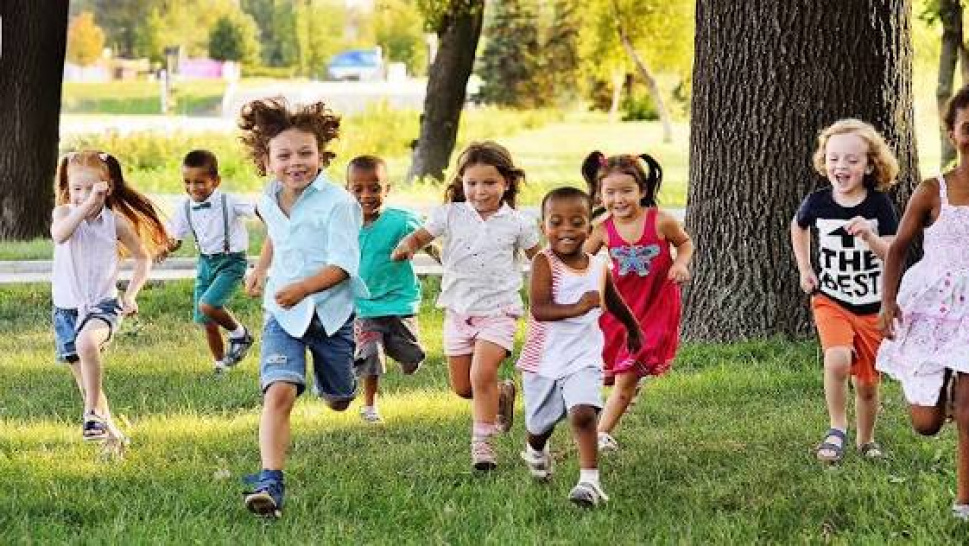

Confidence does not develop overnight. Children often become more confident when they have opportunities to try new things, interact with others, solve problems, and see that their efforts can lead to positive results. Confidence building programs for children can provide these experiences in a supportive environment where young people can participate, make mistakes, learn from others, and gradually become more comfortable with challenges. Group activities are especially useful because they allow children to build confidence while working alongside peers toward shared goals.
Why Group Activities Matter for Confidence
Group activities give children opportunities to participate instead of simply watching or listening. Whether they are completing an outdoor challenge, playing a team game, creating something together, or solving a problem, children have a role to play. This sense of participation can help them recognize that their ideas, skills, and efforts have value.
For some children, speaking up in a group can feel difficult. They may worry about giving the wrong answer or making a mistake in front of others. Group activities can create natural opportunities to communicate without putting pressure on a child to perform perfectly. As children become more familiar with the people around them, they may feel more comfortable sharing their thoughts and taking part.
Learning to Try Something New
Trying something unfamiliar can be an important step in developing confidence. A new activity may initially seem difficult, but children can learn that they do not need to know everything before they begin. They can listen to instructions, ask questions, observe others, and make another attempt when something does not work.
This process teaches children that being challenged does not necessarily mean they will fail. Instead, challenges can become opportunities to learn. When a child completes an activity that initially seemed intimidating, the experience can provide a sense of accomplishment.
Over time, these small successes can influence how children approach other unfamiliar situations. They may become more willing to participate, explore, and attempt tasks that they previously avoided.
Building Communication Skills
Confidence is closely connected with communication. Children need to feel comfortable expressing their ideas, asking for help, listening to others, and responding to different opinions. Group activities naturally create situations where these skills are useful.
For example, a team may need to decide how to complete a challenge. Each child may have a different suggestion, and the group must listen, discuss the options, and agree on a plan. A child who normally stays quiet may find an opportunity to contribute an idea. When other group members listen and respond positively, that child can begin to feel more comfortable speaking in similar situations.
These experiences can help children understand that communication is not about always having the best answer. It is also about being willing to participate and contribute.
Developing Trust in Their Own Abilities
Children often build confidence when they recognize that they are capable of doing things independently. Group activities can encourage this development by giving children responsibilities that are appropriate for their age and abilities.
A child might be responsible for remembering instructions, helping organize materials, encouraging a teammate, or completing one part of a larger challenge. Even a small responsibility can help a child understand that others are depending on them.
When children see that they can contribute meaningfully, they may develop greater trust in their own abilities. This can be particularly valuable for children who regularly doubt themselves or compare their abilities with those of their peers.
Understanding That Mistakes Are Part of Learning
Fear of making mistakes can prevent children from participating. Group activities can help change this mindset by showing children that mistakes are a normal part of trying something new.
A team may choose an approach that does not work. Instead of stopping, the children can discuss what happened and try a different strategy. This teaches an important lesson: one unsuccessful attempt does not define the outcome.
When children learn to view mistakes as information rather than as evidence that they are incapable, they may become more willing to take healthy risks. They can begin to understand that improvement often comes from trying, adjusting, and trying again.
Encouraging Children to Support One Another
Confidence does not always come from individual achievement. Positive interactions with peers can also influence how children see themselves. Group activities encourage children to help, encourage, and recognize one another.
A child who struggles with an activity may receive encouragement from a teammate. Another child may discover that they are good at explaining instructions or helping someone else. These interactions can create a stronger sense of belonging.
Feeling accepted by a group can make it easier for children to participate. When they know that they do not have to be perfect to be included, they may become more willing to share ideas and take on challenges.
Giving Children Opportunities to Lead
Leadership does not have to mean standing in front of a large group and giving instructions. Children can develop leadership skills through small responsibilities and shared decisions.
For instance, a child might help organize a team, explain part of an activity, suggest a solution, or encourage other participants. These moments allow children to practice making decisions and communicating with others.
Leadership opportunities can be especially helpful for children who are naturally quiet. A supportive setting gives them room to step forward at their own pace. As they become more comfortable taking responsibility, their confidence can grow.
Creating Positive Experiences Outside the Classroom
Children spend much of their time in structured environments such as classrooms, but learning does not happen only through academic activities. Group experiences outside the classroom can teach important personal and social skills in a different way.
Outdoor activities, team challenges, games, and group projects can give children practical situations where they need to cooperate, adapt, and make decisions. Because the learning happens through experience, children can see the results of their choices immediately.
These experiences can also create positive memories. A child may remember completing a challenging activity with friends or helping their team reach a goal. Such memories can reinforce the belief that they are capable of handling new experiences.
How Adults Can Support Confidence During Group Activities
Adults play an important role in creating an environment where children feel comfortable participating. Encouragement should focus on effort, progress, cooperation, and persistence rather than only on winning or being the best.
Instead of immediately solving a problem for a child, adults can give them time to think and try. Simple questions such as “What could you try next?” or “How could your team solve this?” can encourage children to take ownership of the situation.
It is also important to recognize that every child develops confidence differently. One child may quickly volunteer for a leadership role, while another may need more time before speaking in front of a group. Giving children space to participate at their own pace can make group experiences more positive and meaningful.
Give Your Child More Opportunities to Grow
Parents looking for meaningful experiences for their children can consider programs that combine outdoor activities, teamwork, exploration, and supportive guidance. An Overnight camp Pennsylvania experience can give children extended opportunities to work with peers, try unfamiliar activities, develop independence, and experience the satisfaction that comes from overcoming challenges. Programs that focus on personal growth can help children build skills that remain useful long after the activity ends.
Conclusion
Group activities can give children practical opportunities to communicate, cooperate, solve problems, take responsibility, and overcome challenges. Each successful attempt can become another building block in their confidence. With encouragement from adults and support from peers, children can gradually become more comfortable trying new things and trusting their abilities. Paradise Farm Camp provides an environment where children can experience these kinds of challenges, friendships, and growth opportunities while creating memories that can stay with them for years.
FAQs
1. How do group activities improve a child’s confidence?
Group activities allow children to participate, communicate, solve problems, and contribute to shared goals. Completing tasks and receiving positive support can help children recognize their abilities.
2. Can shy children benefit from group activities?
Yes. Supportive group activities can give shy children opportunities to interact with others at a comfortable pace. Small responsibilities and positive peer interactions can gradually make participation easier.
3. What types of activities can help children build confidence?
Team games, outdoor challenges, problem-solving activities, creative projects, leadership tasks, and cooperative activities can all provide opportunities for children to practice skills and experience success.



Share the News