

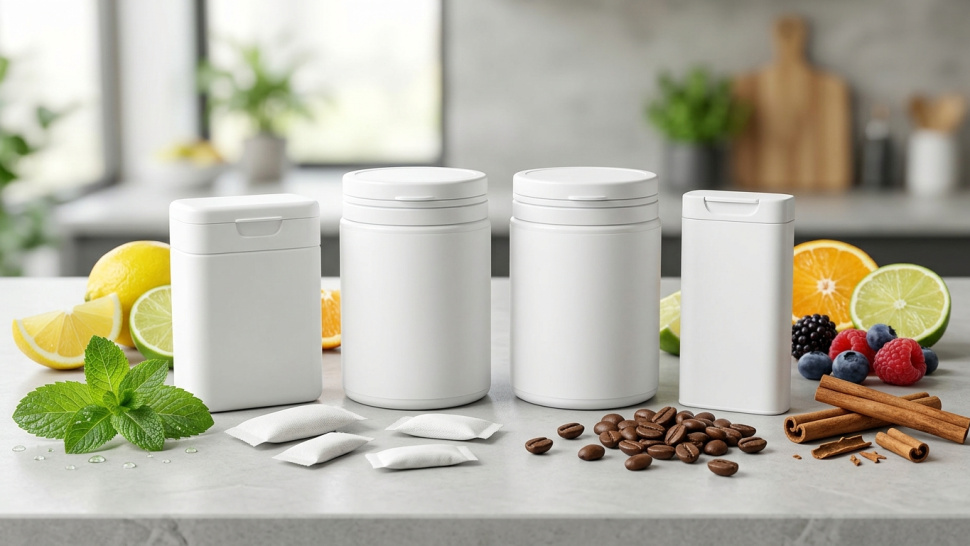

Nicotine pouches are tobacco-free oral products that contain nicotine and other ingredients. They come in different flavors, strengths, sizes, and formulations. These differences create several product categories. Understanding them helps readers interpret packaging and product descriptions more accurately.
For example, ZYN 6mg Pouches represent a product category identified by its stated nicotine amount. This figure generally refers to the nicotine content in each pouch, rather than the amount absorbed by the body. However, nicotine content is only one characteristic. Flavor, pouch format, ingredients, and formulation also influence how products are classified.
What Are Nicotine Pouches?
Nicotine pouches are small packets designed to be placed between the lip and gum. They contain nicotine, plant-based fibers, flavorings, and other ingredients. Most products do not contain tobacco leaf.
Nicotine passes through the lining of the mouth during use. Unlike cigarettes, these products do not require burning tobacco. However, the absence of smoke does not make them harmless.
Nicotine is addictive and can cause dependence. Its effects may include increased heart rate, elevated blood pressure, nausea, and dizziness. Long-term health effects of nicotine pouch use are still being studied.
## Main Categories of Nicotine Pouches
Nicotine pouches can be grouped according to several product characteristics. These include flavor, nicotine content, pouch size, ingredients, and nicotine source. Each category describes a different aspect of the product.
Understanding these classifications prevents confusion when reading product descriptions. However, none of these categories indicates that a product is harmless.
1. Categories Based on Flavor
Flavor is one of the most visible features of nicotine pouch packaging. Manufacturers offer different flavor descriptions across their product ranges. Common categories include mint, citrus, fruit, coffee, and traditional-inspired profiles.
Mint-Flavored Pouches
Mint is a common flavor category in nicotine pouch products. Descriptions may include peppermint, spearmint, cool mint, or menthol.
These terms do not always describe identical flavor formulations. Peppermint and spearmint have different aromatic characteristics. Menthol creates a cooling sensation rather than representing a separate mint plant variety.
Product names may also combine mint with other flavor descriptions. Therefore, packaging details are important when identifying the stated flavor.
Citrus-Flavored Pouches
Citrus descriptions commonly reference fruits such as lemon, orange, and lime. Some products use broader terms instead of identifying one particular fruit.
Flavor formulations can differ between manufacturers. Some descriptions emphasize a sharp citrus character. Others may refer to sweeter or milder citrus-inspired profiles.
However, flavor descriptions do not reveal nicotine content. Readers should examine the strength information separately.
Fruit-Flavored Pouches
Fruit-inspired categories can include berry, cherry, tropical fruit, and other fruit descriptions. Product ranges vary by brand and market.
These descriptions refer to flavor profiles rather than nutritional ingredients. A fruit-inspired name does not mean the pouch contains meaningful amounts of actual fruit.
Some formulations use flavoring compounds to create particular sensory characteristics. The ingredient declaration provides more useful information about composition.
Coffee-Flavored Pouches
Coffee-inspired products use descriptions associated with coffee or related aromas. These may include terms such as espresso or roasted coffee.
The actual formulation depends on the manufacturer. A coffee description does not establish the presence of brewed coffee or caffeine.
Consequently, readers should avoid making assumptions based solely on flavor names. Ingredient information is the better reference.
Cinnamon and Spice-Flavored Pouches
Some nicotine pouch ranges include cinnamon or spice-inspired descriptions. These products may have distinctive aromatic profiles.
However, the exact formulation can differ between brands. A cinnamon name does not confirm the quantity or type of any specific ingredient.
Flavor categories can also change as manufacturers update their product ranges. Availability depends on local regulations and market conditions.
2. Categories Based on Nicotine Strength
Nicotine strength is another important classification. Product labels commonly express nicotine content in milligrams. However, manufacturers may use different strength descriptions and measurement systems.
Lower Stated Nicotine Content
Some products display relatively low nicotine amounts per pouch. Their packaging may describe them as lower-strength options.
Such descriptions are not standardized across every manufacturer. Therefore, a label should always be checked for its exact measurement.
Lower nicotine content does not mean zero risk. Nicotine remains addictive, regardless of the product's stated strength.
Products Listed at 6mg
Some products display six milligrams of nicotine per pouch. This figure generally identifies the stated nicotine content in one individual pouch.
It does not indicate that the body absorbs all six milligrams. Actual nicotine exposure can vary with product formulation and other factors.
Higher Stated Nicotine Content
Other products contain higher stated nicotine amounts. These products can create substantial exposure to an addictive substance.
A higher number should not be interpreted as a quality rating. It also does not establish that a product provides a better experience.
Understanding Milligrams Per Pouch and Per Gram
Measurement units are essential when comparing product labels.
- **Milligrams per pouch:** The stated nicotine quantity in one individual pouch.
- **Milligrams per gram:** The nicotine concentration relative to one gram of product material.
- **Total container content:** The combined amount across all individual pouches.
These measurements are not interchangeable. For example, a concentration expressed per gram requires the product's weight for accurate interpretation.
Therefore, readers should identify the unit before comparing figures. A number without its measurement unit can create confusion.
3. Categories Based on Pouch Size and Format
Nicotine pouches also differ in their physical dimensions. Manufacturers may offer standard and smaller formats. However, naming conventions vary between product ranges.
Standard-Size Pouches
Standard-size pouches are commonly presented as the regular format. Their dimensions and material quantities depend on the manufacturer.
The size can influence the product's physical characteristics. However, pouch size alone does not establish nicotine strength.
Mini Pouches
Mini pouches have smaller physical dimensions than many standard formats. Their packaging may describe them as compact or discreet.
A smaller pouch does not automatically contain less nicotine. Readers should check the stated nicotine amount separately.
Slim Pouches
Slim formats are generally narrower than standard pouch designs. Their shape may differ while retaining a similar overall product category.
Different manufacturers use different names for these formats. Therefore, descriptions should be interpreted according to the specific product information.
Moisture and Dryness Categories
Some products differ in their moisture characteristics. Packaging may describe certain formats as moist or dry.
Moisture can influence how pouch materials behave. It can also affect nicotine release characteristics.
However, moisture descriptions are not direct measurements of nicotine exposure. Product formulation and other factors remain relevant.
4. Categories Based on Nicotine Source
Nicotine pouches can also be classified according to the source of their nicotine. Two commonly discussed categories involve tobacco-derived and synthetic nicotine.
Tobacco-Derived Nicotine
Tobacco-derived nicotine is extracted or processed from tobacco plants. It can be used in products that do not contain tobacco leaf.
This distinction is important when interpreting tobacco-free descriptions. A pouch may contain nicotine derived from tobacco while excluding tobacco leaf itself.
Synthetic Nicotine
Synthetic nicotine is produced through chemical manufacturing rather than direct extraction from tobacco leaves. Some products may describe this as non-tobacco nicotine.
However, the term does not mean nicotine-free. Synthetic nicotine remains nicotine and carries addiction-related concerns.
The source alone does not establish a product's safety. Nicotine content and health risks still require consideration.
5. Categories Based on Ingredients
Nicotine pouches contain more than nicotine alone. Their formulations may include several supporting ingredients.
Plant-Based Fibers and Fillers
Many products use plant-based fibers or other fillers. These materials help form the pouch's contents.
Microcrystalline cellulose is one example of a filler identified in FDA product information. The exact ingredients depend on the product.
Flavoring Ingredients
Flavoring ingredients create the sensory characteristics described on packaging. These may produce mint, citrus, fruit, coffee, or spice-inspired profiles.
Flavor descriptions do not reveal every ingredient. Readers should consult the complete ingredient declaration whenever available.
Sweeteners
Some formulations include sweeteners. These ingredients can influence the product's taste profile.
Different manufacturers may use different sweetening ingredients. A product's flavor name does not identify its complete formulation.
Moisture-Related Ingredients
Certain ingredients help control moisture within the pouch material. Moisture can influence texture and other physical characteristics.
However, ingredient functions differ between formulations. Manufacturer information offers the most reliable product-specific details.
How to Read Nicotine Pouch Packaging
Packaging provides information about nicotine content, ingredients, flavor, and manufacturer details. Nevertheless, labels can vary between countries.
Consider these points when reviewing product information:
1. **Check the nicotine amount.** Identify the stated quantity before interpreting strength descriptions.
2. **Confirm the measurement unit.** Determine whether the figure applies per pouch or per gram.
3. **Read the ingredient list.** Review nicotine sources, fillers, flavorings, and other disclosed ingredients.
4. **Identify the pouch format.** Check whether the product is described as standard, mini, or slim.
5. **Review health warnings.** Pay attention to addiction and accidental exposure warnings.
6. **Check manufacturer information.** Look for responsible company details and product identifiers.
7. **Consider local regulations.** Product availability and legal requirements differ between countries.
These steps help readers understand product descriptions. They do not establish that any nicotine product is safe.
What Influences Nicotine Absorption?
The nicotine amount printed on packaging does not fully determine exposure. Several characteristics can influence nicotine absorption.
**Nicotine formulation:** Different nicotine formulations may affect how nicotine becomes available. Product chemistry is therefore relevant.
**Acidity:** The pH of a formulation can influence nicotine's chemical form. This may affect absorption through oral tissues.
**Moisture:** Moisture levels can influence how ingredients dissolve. They may also affect the release of nicotine.
**Pouch construction:** Material composition and physical structure can influence product characteristics. Manufacturers may use different formulations.
**Individual differences:** People can respond differently to nicotine exposure. Age, health, and other factors can influence responses.
Consequently, two products displaying similar nicotine amounts may not produce identical exposure.
Common Misunderstandings About Nicotine Pouch Categories
Several misconceptions can make product information difficult to interpret.
**Misunderstanding 1: Tobacco-free means nicotine-free.**
Tobacco-free descriptions generally refer to the absence of tobacco leaf. A product can still contain tobacco-derived or synthetic nicotine.
**Misunderstanding 2: Flavor determines nicotine strength.**
Flavor and nicotine content are separate product characteristics. Similar flavors can appear across different strength categories.
**Misunderstanding 3: Smaller pouches always contain less nicotine.**
Physical size does not establish nicotine content. The stated amount must be checked separately.
**Misunderstanding 4: Every brand uses the same strength labels.**
Manufacturers may use different terminology. Exact measurements provide clearer comparisons than general strength descriptions.
**Misunderstanding 5: Natural ingredients make nicotine pouches harmless.**
Ingredient origin does not remove nicotine's addictive properties. Product descriptions should never replace health information.
Regulatory Differences and Product Availability
Nicotine pouch regulations differ across countries. Some authorities require product authorization before legal sale. Others apply different restrictions to nicotine content, flavors, packaging, and marketing.
In the United States, the FDA maintains a list of specifically authorized nicotine pouch products. This list identifies individual products rather than approving every product within the category.
Importantly, authorization does not mean a product is safe. The FDA explains that authorized tobacco products remain harmful and potentially addictive.
Rules in other countries may differ considerably. Readers should consult their local regulatory authorities for current requirements.
Product availability can also change over time. A flavor or strength listed by one manufacturer may not be available everywhere.
Health Risks and Nicotine Awareness
Nicotine is a highly addictive substance. Regular exposure can lead to dependence and withdrawal symptoms.
Possible effects include increased heart rate, elevated blood pressure, nausea, and dizziness. Nicotine exposure also presents particular concerns during pregnancy.
Young people face additional risks because brain development continues into early adulthood. Nicotine exposure can affect developing systems involved in attention, learning, mood, and impulse control.
Accidental exposure is another serious concern. Nicotine pouches should remain inaccessible to children and pets. Swallowing a pouch can cause poisoning and requires prompt professional guidance.
The CDC states that nicotine pouches are not approved as smoking cessation aids. People seeking help with quitting should consult qualified healthcare professionals. Evidence-based treatments are available.
Conclusion
Nicotine pouches can be classified through several characteristics. These include flavor, nicotine strength, pouch size, moisture, ingredients, and nicotine source.
Understanding these categories helps readers interpret packaging more accurately. It also prevents confusion between nicotine content and actual nicotine absorption.
However, product categories should never be confused with safety ratings. Nicotine remains addictive, and important health questions remain under investigation. Reliable health guidance and local regulations should always take priority over marketing descriptions.



Share the News